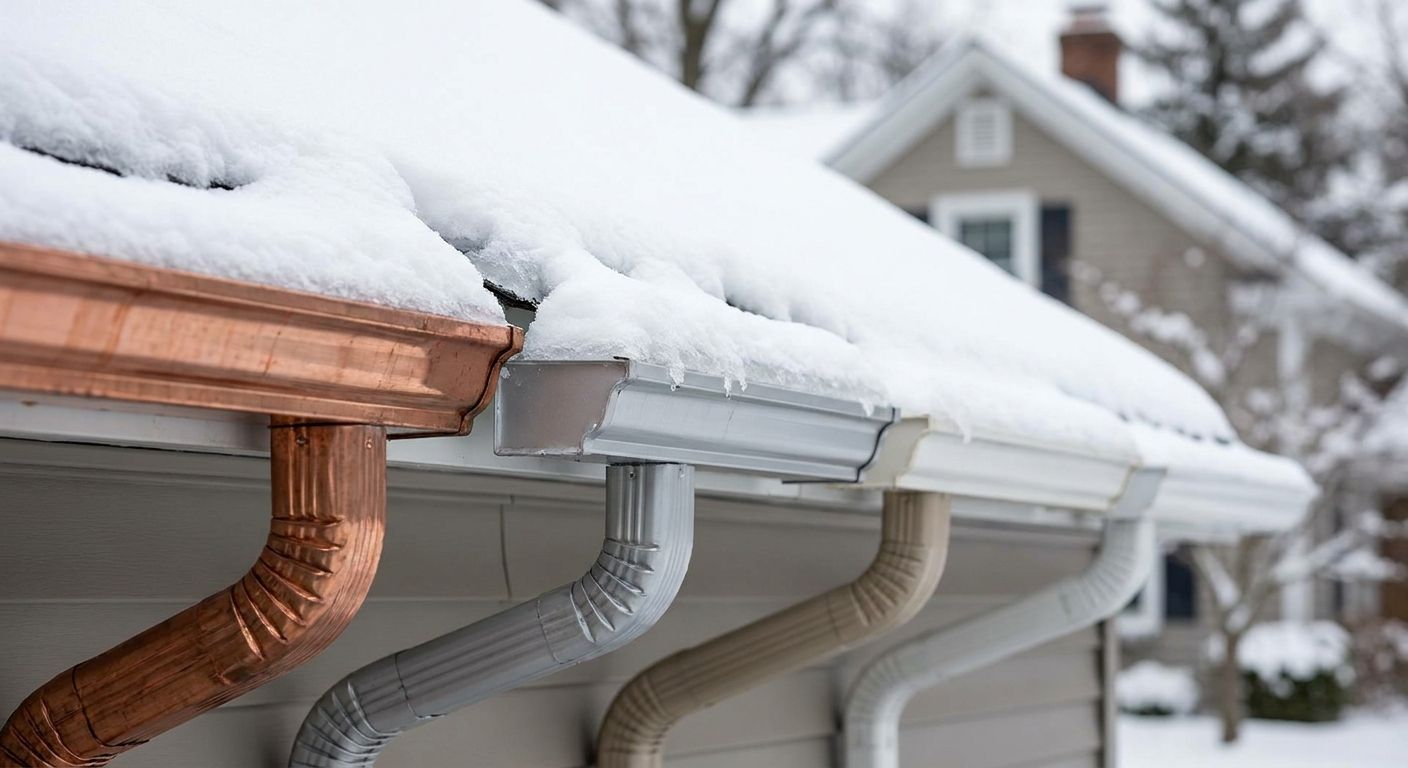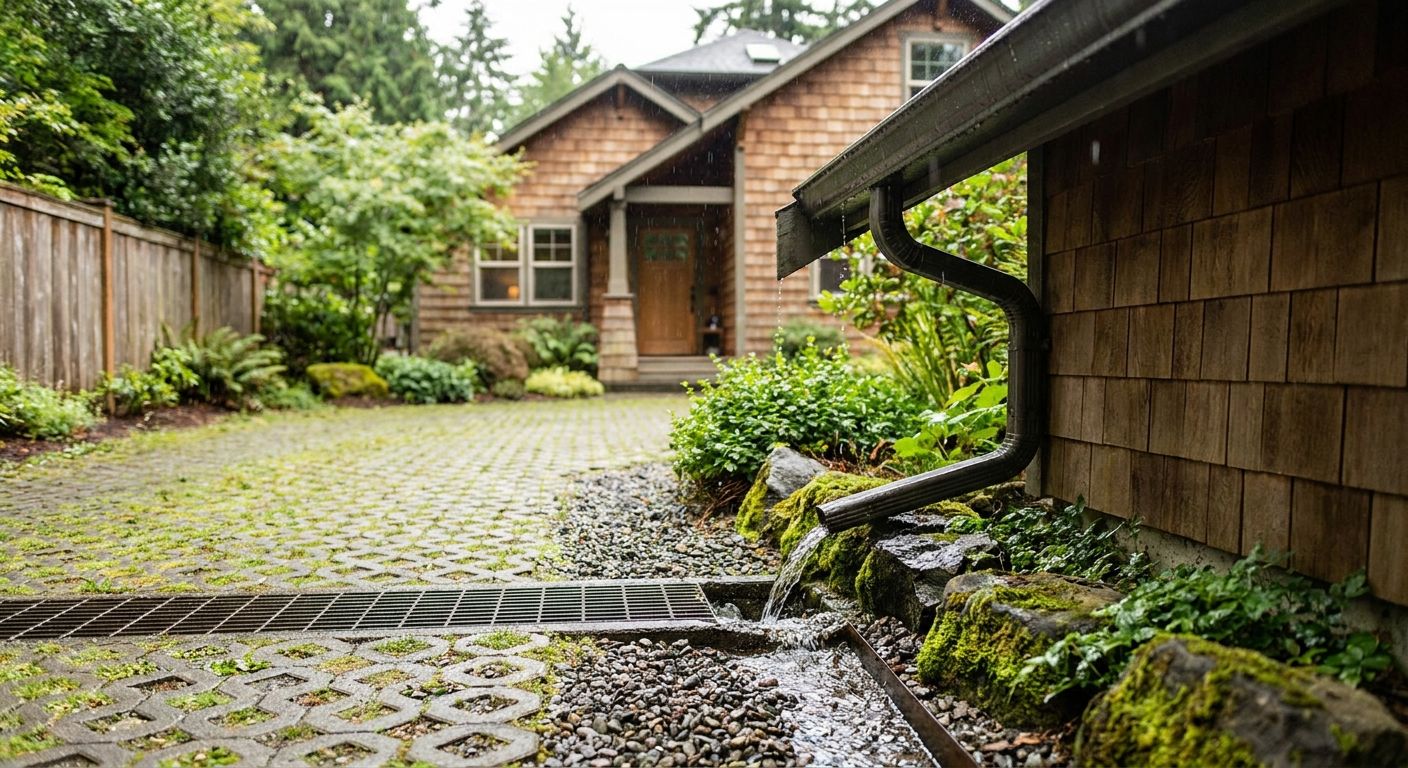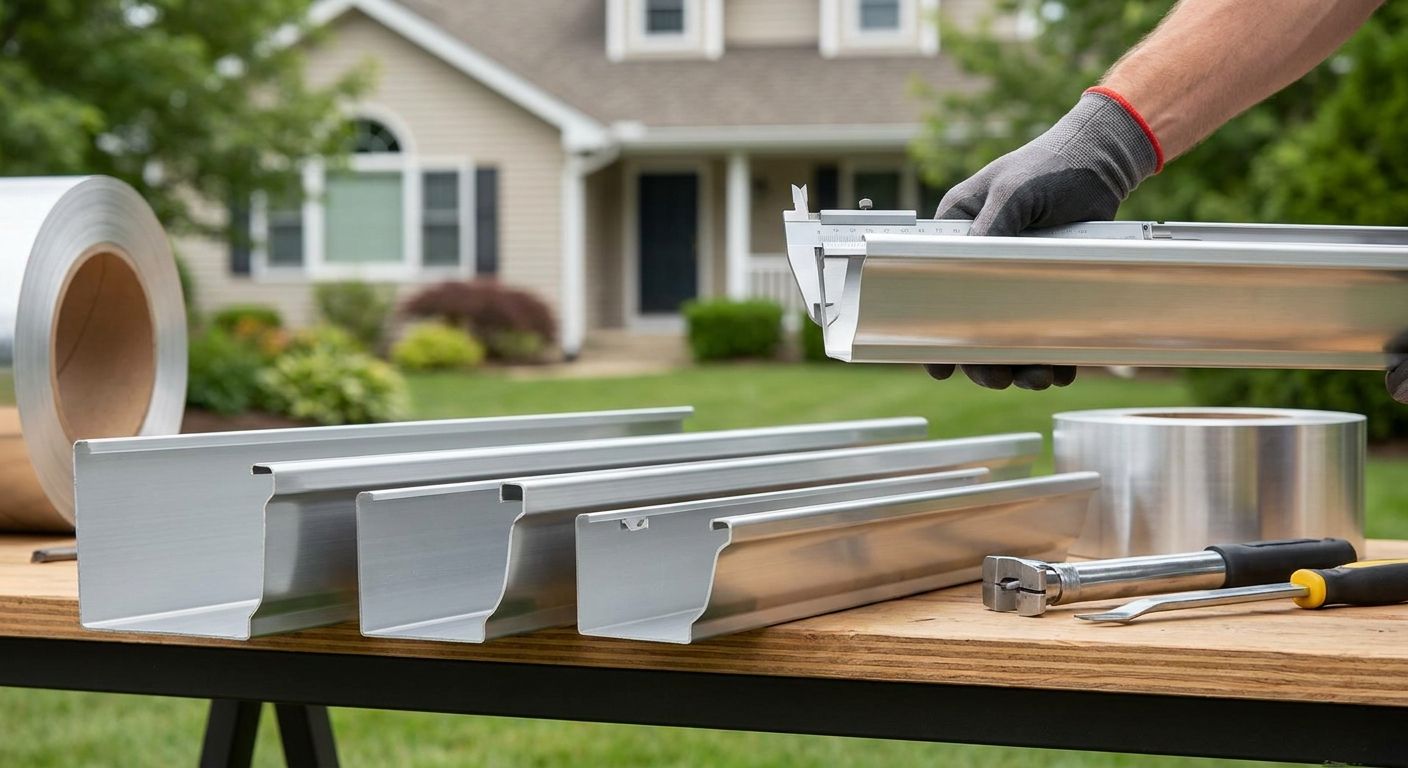
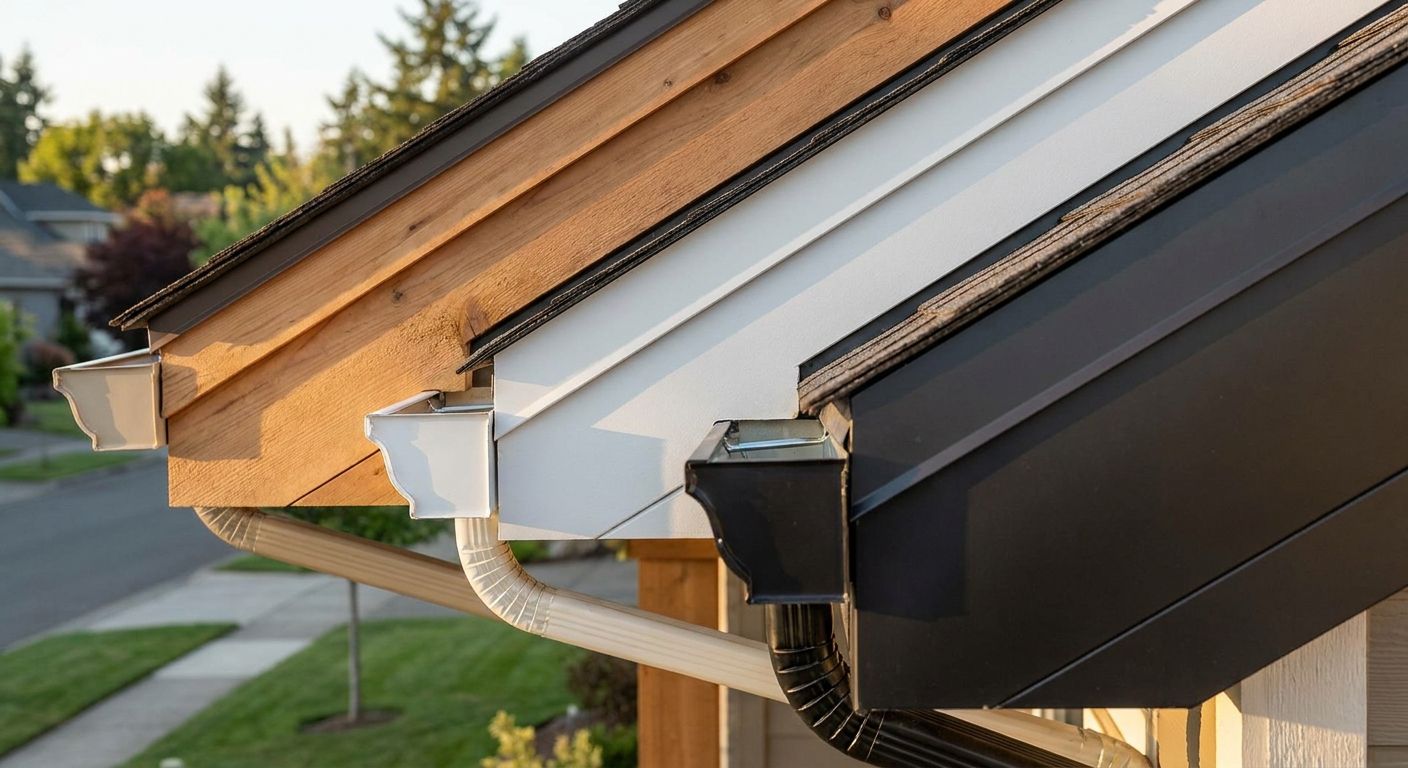
Aluminum-wrapped fascia is the best overall roof fascia board for British Columbia's wet coastal climate in 2026. PVC fascia board wins for zero-maintenance rot resistance. Engineered wood fascia is the best budget option that still outperforms raw pine. Solid wood fascia stays the pick for heritage homes where paint-grade cedar matches the original trim.
- Aluminum-wrapped fascia wins for BC humidity in 2026 — the default choice for most re-roof and gutter jobs.
- PVC fascia board resists rot completely but runs heavier upfront than wood or aluminum.
- Fiber cement fascia carries better fire ratings, useful for multi-family and commercial buildings.
- Engineered wood fascia is the budget pick, holding up better against moisture than raw pine.
- Solid cedar or pine fascia still wins on heritage-home matching but needs repainting every few years.
Why this matters
A roof fascia board does two jobs at once: it caps the rafter tails and it carries the weight of a full gutter system, brackets and all. When it rots, the gutters it's holding sag, pull away from the roofline, and dump water straight down the siding instead of into the downspout.
BC's rain volume makes fascia selection a bigger decision here than in drier provinces. A material that holds up fine in Alberta can soften in five years on the coast if it's facing constant condensation and splashback. Gutters Canada sees this pattern most on homes with original 1980s and 1990s wood fascia that was never primed on the back edge before the gutters went up.
This guide ranks the five fascia materials contractors actually install in BC in 2026 — not a theoretical list, the ones you'll be quoted when you call for an estimate.
What makes the best roof fascia board
- Moisture and rot resistance — how the material handles constant coastal rain and condensation behind the gutter
- Maintenance load — painting, caulking, and inspection frequency over a 15-20 year window
- Gutter compatibility — whether the board takes hanger screws and brackets cleanly without extra blocking
- Pest and impact resistance — woodpeckers and carpenter ants target soft wood fascia specifically
- Appearance and paint options — how well it matches existing trim, soffit, and siding colour
- Fire rating — relevant for commercial, multi-family, and strata buildings under BC building code review
Roof fascia boards at a glance
| Material | Best for | Standout feature | Key limitation |
|---|---|---|---|
| Aluminum-wrapped fascia | Overall BC humidity performance | Wraps existing wood board, no repainting ever | Wrap can dent from ladder impact or hail |
| PVC (cellular vinyl) fascia | Zero-maintenance rot resistance | Fully rot-proof, won't absorb water | Expands and contracts more with temperature swings |
| Fiber cement fascia | Fire-rated commercial and multi-family builds | Higher fire resistance than wood or vinyl | Heavier, needs proper fastening and painting |
| Engineered wood fascia | Budget projects needing better rot resistance than pine | Resin-treated edges resist moisture wicking | Still needs paint and caulk maintenance |
| Solid wood (cedar/pine) fascia | Heritage and character-home matching | Natural grain takes stain and paint like original trim | Highest maintenance, most vulnerable to rot |
1. Aluminum-wrapped fascia: best roof fascia board for BC humidity
Aluminum-wrapped fascia is coil stock bent to fit over an existing wood fascia board, sealed at the seams, and finished in a factory colour. It's the material most gutter crews reach for on the coast because it stops water contact at the board's most exposed edge — the front face that gets rained on directly.
Aluminum-wrapped fascia pros:
- Never needs repainting once installed
- Pairs cleanly with seamless aluminum gutter systems
- Resists woodpecker damage far better than exposed wood
- Comes in factory colours matched to gutter and downspout finishes
Aluminum-wrapped fascia cons:
- Wrap can dent from a ladder, branch, or hard hail
- Doesn't fix rot underneath — it covers sound wood, not rotten wood
- Requires the base board to be solid before wrapping
Best for: homeowners re-doing gutters who want the fascia to stop being a maintenance item for good. Verdict: Buy.
2. PVC fascia board: best for rot-proof performance
Cellular PVC fascia board is a solid plastic composite milled to standard fascia dimensions. Unlike aluminum wrap, there's no wood underneath to rot — the board itself is the rot-proof layer, front to back.
PVC fascia board pros:
- Completely immune to moisture absorption and rot
- No wood substrate means no hidden decay behind the finish
- Holds paint well if you want a colour other than white
- Termites and carpenter ants have nothing to chew
PVC fascia board cons:
- Expands and contracts more with BC's temperature swings between summer heat and winter frost
- Fastener pattern matters more — improper nailing causes buckling over a hot summer
- Fewer factory colour options than aluminum-wrapped systems
Best for: properties with a history of fascia rot where the owner wants to eliminate the problem permanently, not manage it. Verdict: Buy.
3. Fiber cement fascia: best for fire-rated commercial builds
Fiber cement fascia mixes cement, sand, and cellulose fibers into a dense board that resists fire, insects, and rot better than any wood product. It shows up most often on strata buildings, warehouses, and multi-family construction where the building code pushes toward non-combustible materials.
Fiber cement fascia pros:
- Higher fire resistance than wood, vinyl, or aluminum-wrapped assemblies
- Dense enough to resist woodpecker and insect damage
- Holds screws and gutter brackets without extra blocking
- Long service life when painted and maintained
Fiber cement fascia cons:
- Needs painting and periodic caulk inspection, same as wood
- Heavier material means more labour and careful handling on install
- Cutting on site produces silica dust — requires proper safety gear
Best for: commercial and multi-family properties where fire rating is part of the permit requirement. Verdict: Buy for commercial jobs, skip for a single-family reno unless fire code applies.
4. Engineered wood fascia: best budget roof fascia board
Engineered wood fascia — the LP SmartSide-style product — is wood strand board treated with a resin binder and a factory primer coat, milled to standard fascia widths. It costs less than PVC or fiber cement while resisting moisture better than raw pine.
Engineered wood fascia pros:
- Resin treatment resists moisture wicking better than solid pine
- Factory-primed edges reduce the risk of rot starting at cut ends
- Lighter and easier to handle than fiber cement
- Takes standard exterior paint without special primer
Engineered wood fascia cons:
- Still needs repainting on the same cycle as solid wood
- Long-term water exposure at unsealed cuts can still cause swelling
- Not rated for the same fire resistance as fiber cement
Best for: budget-conscious re-roof projects where solid wood has already proven to rot too fast in that specific location. Verdict: Buy.
5. Solid wood fascia: best for heritage home matching
Solid cedar or pine fascia is still the material of record on older BC homes, and it's the only option that matches original trim profiles exactly when you're restoring a character property rather than modernizing it. Wood fascia boards ranked by rot resistance in BC breaks down which species and grades actually hold up under coastal rain.
Solid wood fascia pros:
- Matches heritage trim profiles and stain colours exactly
- Cedar has natural rot resistance better than pine or fir
- Easiest material to repair in sections without replacing the full run
- Lower material cost than PVC or fiber cement
Solid wood fascia cons:
- Highest maintenance of every option on this list — repaint every few years
- Most vulnerable to woodpecker damage and carpenter ant entry
- Rot starts fast once the back edge or a cut end is left unsealed
Best for: heritage restorations and character homes where matching the original look outweighs long-term maintenance. Verdict: Buy if the house calls for it, Hold for anything else.
“If the fascia board flexes or feels soft when you press it, the rot already reached the rafter tails.”
How we ranked these fascia materials
Each material was scored against the six criteria above: moisture resistance in coastal rainfall, maintenance load over a 15-20 year window, gutter compatibility, pest resistance, appearance, and fire rating where relevant. Aluminum-wrapped fascia and PVC tied on rot resistance; aluminum wins overall because it pairs directly into the gutter install most BC homeowners are already doing.
Fascia rarely gets replaced on its own — it's almost always part of a gutter project, a re-roof, or a soffit repair, and the wood vs. vinyl vs. aluminum soffit comparison for BC humidity covers the companion decision most owners face at the same time.
Which roof fascia board should you choose?
For most BC re-roof and gutter projects in 2026, aluminum-wrapped fascia is the right call — it stops the rot cycle at the exposed edge and matches your gutter finish with no repainting ever. If the existing board is already too far gone to wrap, PVC fascia board replaces it with a material that can't rot at all. Budget projects lean on engineered wood. Heritage homes stay with solid cedar or pine because that's what the trim calls for.
Get your fascia and gutters assessed
A proper fascia install starts with checking what's underneath the current board.
FAQ
What is the best material for a roof fascia board in 2026?
Aluminum-wrapped fascia is the best overall choice for most BC homes in 2026 because it stops rot at the exposed edge and needs no repainting. PVC fascia board is the pick when the existing wood is too far gone to wrap.
Is aluminum fascia better than wood fascia?
Aluminum-wrapped fascia outlasts solid wood fascia in coastal BC because it eliminates repainting and resists woodpecker damage. Wood fascia still wins for heritage homes where matching the original trim profile matters more than maintenance.
How long does PVC fascia board last in BC's climate?
PVC fascia board doesn't rot, so its service life is set by fastener integrity and paint condition rather than moisture damage. Proper installation accounting for thermal expansion is the main factor in long-term performance.
Can you install new fascia without replacing the gutters?
Fascia can be replaced with gutters temporarily removed and reinstalled, but most contractors recommend doing both at once since the gutters have to come off anyway to access the board. Replacing fascia alone usually means extra labour to remove and rehang the same gutter system.
Does fiber cement fascia need painting?
Yes, fiber cement fascia needs painting like wood and requires periodic caulk inspection at the seams. Its advantage over wood is fire resistance and rot resistance, not maintenance-free finish.
What causes fascia board rot behind gutters?
Fascia rot behind gutters usually starts from a leaking seam, an overflowing gutter during heavy rain, or a missing drip edge that lets water run behind the board instead of into the trough. Once water sits against unsealed wood, rot spreads along the grain fast.
Should fascia and gutters be replaced at the same time?
Replacing fascia and gutters together is the standard approach because the gutters need to come off to access the fascia board anyway. Doing both at once also lets the installer confirm the new fascia is solid before hanging new brackets on it.
Does fascia board replacement cost more than gutter replacement?
Fascia board replacement cost depends on material, linear footage, and whether rot has spread into the rafter tails, which adds carpentry work beyond a straight board swap. Material choice — wood, aluminum wrap, PVC, or fiber cement — is the biggest cost driver between quotes.
One last thing
The fascia board fails at the fastener holes first, not the middle of the run — check where the gutter hangers screw in before you check anywhere else. A board that looks fine from the ground can be soft right where the bracket screws bite, and that's the spot that lets a full gutter run pull loose in a heavy 2026 winter storm.